ADHD Strengths in the Saddle: Equine Discovering Assistance That Sticks
The very first time I watched a 10 years old with ADHD ask a horse to back three actions, the entire field shifted. He had actually been bouncing considering that the minute his boots struck the gravel, words toppling out faster than his mind can corral them. After that he exhaled, squared his shoulders, glided his hand down the lead rope, and asked. The horse blinked, shook her weight, and went back. Three tidy actions. Silence fell in a good way, the kind where attention tightens and a kid realizes, I did that. We did that. If you have actually collaborated with kids or grownups who deal with ADHD, you recognize exactly how rare and precious that kind of peaceful competence can feel.
Therapeutic horsemanship and the more comprehensive family members of equine-assisted services do not heal ADHD. They do something less fancy and more useful. They develop a setup where the nerves can work out, where focus borrows the rhythm of unguis, and where success is secured in the body as opposed to a list. The discovering sticks due to the fact https://paxtontpxh395.wordcanopy.com/posts/cultivating-safety-and-security-belonging-based-mentoring-in-an-encouraging-farm-area that it is really felt, not just taught. When a horse moves when you breathe, that lesson stays in the muscle mass and the midbrain, not only the prefrontal cortex that usually tires prior to the end of a college day.
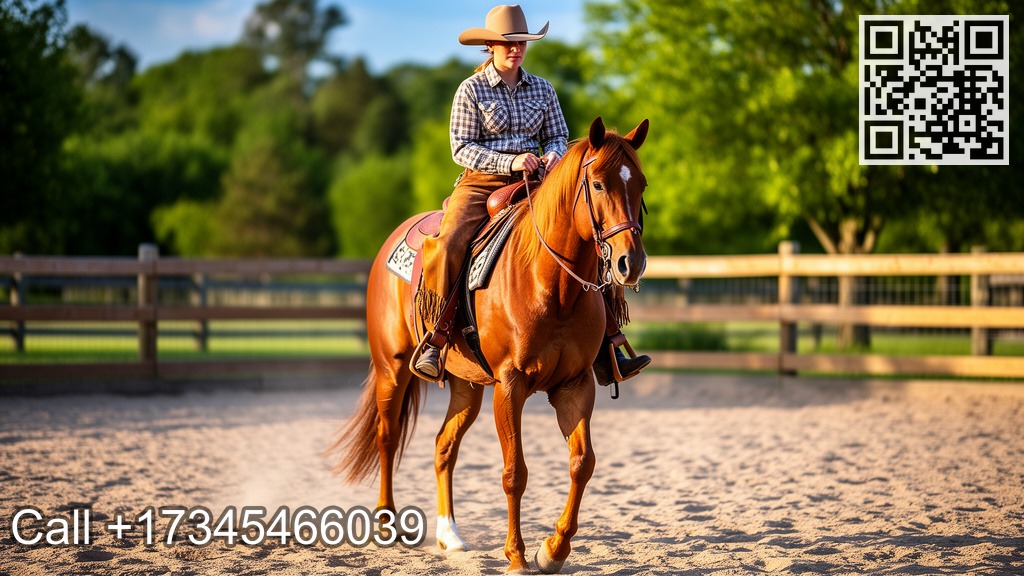
Why horses fit ADHD brains
ADHD is not a lack of interest. It is a passion based nerves that prioritizes novelty, definition, and urgency. The rubbing appears when tasks feel flat or effects are remote. Equines, being victim pets, provide instant and straightforward responses. They review position, breath, and intention the means we reviewed message, and they mirror it back without judgment or sarcasm. You slouch with scattered energy, they are reluctant or drift. You straighten your feet, focus your eyes, and soften your jaw, and they attach. That loophole provides the ADHD mind what it suches as best, actual time response.
There is also the present of rhythm. Gait patterns carry foreseeable sensory input. At a stroll, each action uses a mild 3 dimensional activity with the cyclist's hips and spinal column. For lots of clients, specifically those that look for anxiety assistance with equines, that recurring sway arranges the body in such a way that soothes idea spirals. On the ground, leading a steed through poles or cones provides a comparable cadence. The job has a clear start and end, and the equine's mass demands present moment interest. A half lot pet will maintain you sincere about where your feet go.
Finally, horses welcome somatic recognition. Before a transition or a turn, we educate riders to scan jaw, shoulders, breath, and tummy. That check comes to be a mobile skill. Moms and dads tell me they hear their youngsters whispering barn cues prior to mathematics tests or going to bed. Equine-facilitated wellness programs do not need lingo to be effective. The body is the classroom.
Groundwork prior to saddles
People often intend to leap straight to riding. The saddle has its magic, yet ADHD equine learning support usually starts with foundation. Early sessions frequently appear like a walking meditation disguised as a barn chore. We clean an equine with long strokes that follow the coat, we select hooves with intentional treatment, and we lead in patterns that string with each other fast success. These tasks train sequencing without the weight of a worksheet. They additionally prime the steed human relationship.
I aim for sessions that relocate every ten to fifteen mins. For a 8 year old that flares when asked to rest still, this could imply three sectors: brushing with a goal, an obstacle pattern on a lead, after that placed strolling with guiding games. For a teenager, we may invest the entire hour on the ground developing a freedom circle since that is where the stimulate lives that day. ADHD prospers when objective meets movement. Equine-assisted activities supply both.
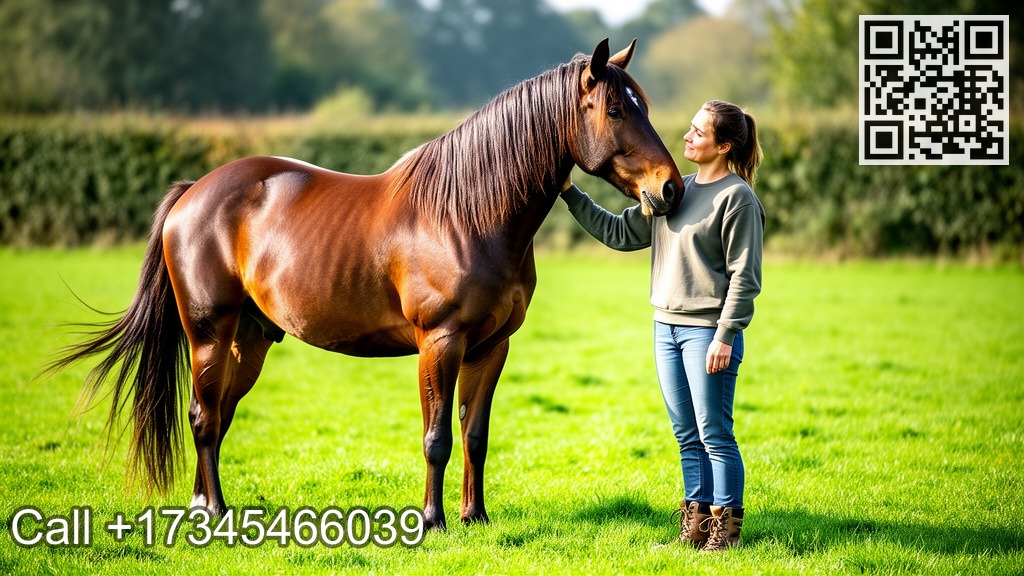
When focus cracks, the equine offers a mirror. If a customer jerks the rope while glancing at a bird, the steed will certainly usually elevate its head or stroll past the halt. Rather than scold, I can indicate the equine. See how he shed you when you averted. Try once more, eyes on the cone. That instant biofeedback turns correction right into curiosity.
The science that describes the smile
We do not require to dumbfound what is taking place. The vestibular and proprioceptive systems, the ones that tell us where we remain in room, get a steady stream of input during both placed and unmounted work. For several with sensory difficulties, this is not simply positive, it is regulatory. The deep stress of grooming, the bilateral sychronisation of leading on the right and afterwards the left, and the linear activity of the walk all feed systems that typically run either as well warm or too cool. Call it alternative treatment for sensory obstacles if you like, yet what it actually supplies is a laboratory where law can be experimented a partner who cares if you are tuned in.
On the cognitive side, we construct executive function by asking for preparation and sequencing in bite sized, embodied ways. As an example, set a five post follower on the ground. The client picks a course, names the steps out loud, and then leads or experiences the course. If we miss a post, we reset the sequence and attempt once again. There is no worksheet to shed, and the benefit is natural, a tidy arc without clatter.
This is where experiential learning with equines shines. It is not a lecture concerning impulse control, it is a real-time demo. You take a breath also quick into a quit, the steed leaks ahead. You reset and locate a slower exhale, the steed stops square. We secure the lesson with words only after the body has tasted success.
Clear functions, clean language
Families typically ask me to explain the alphabet soup: healing horsemanship, equine-assisted training, equine-facilitated mentoring, equine-assisted services. Right here is the plain variation. Therapeutic horsemanship usually means adaptive riding and horsemanship educated by trainers with specialized training, typically through organizations like PATH Intl. These sessions target functional goals like equilibrium, control, attention, and interaction. Equine-assisted training beings in the individual growth camp, more concerning behaviors, management, and attitude than clinical therapy. Equine-facilitated health is a broader umbrella that can consist of mental health collaborate with qualified therapists, along with body based practices like breathwork, sensory combination, and mindfulness. All share one presumption, the steed is a partner, not a prop.
If a client is resolving a particular diagnosis like ADHD or autism, I collaborate with their existing team. For an autism equine finding out program, we may align with ABA or occupational treatment goals. For ADHD, we could track on task periods or changes between favored and non recommended tasks. The tag is less important than the clarity of the plan.
A day at the barn, minute by minute
Most attention controlled sessions operate on a rhythm. An example 60 min slot for a 9 years of age could appear like this.
- Arrive and sign in. Headgear on, body scan, and a two sentence plan for the hour. The rule is simple: claim what we are doing, not what we are avoiding.
- Grooming with objective. Select three body parts, brush to shine, and count strokes out loud. We select hooves with an entrusted to ideal sequence, then swap sides and repeat.
- Ground pattern. Lead through a triangle of cones, quit at each point, and back 3 actions at the last cone. The client calls the cues to the horse out loud, one breath for each ask.
- Mount and ride. Walk on, whoa, and turns using eye emphasis and stubborn belly breath. We include a pole pass if emphasis holds. Otherwise, we return to halts and clear lines.
- Cool down and debrief. Hand stroll, after that a two min representation: What worked. What we will certainly attempt following time. The equine gets a scratch in his favorite place as thanks.
The aim is not to cram the schedule. The goal is to develop a constant pattern the client can anticipate. Predictability is a generosity to the ADHD brain, and it liberates energy for the job that matters.
Sensory setup that conserves the day
Barns are active places. Appears bounce. Odors travel. For a client with sensory sensitivities, a tiny adjustment early can avoid a blowup later. I maintain devices arranged by shade and structure so the mind does not need to search. We brush in a silent edge, away from banging entrances. I favor horses with a soft eye and a wide ribcage that gives a lot more straight motion and less side to side sway. If a youngster is sensitive to girths and bands, we begin bridleless groundwork or bareback pad adventures to construct count on prior to adding more tools. For a grown-up client that craves deep stress, a surcingle band under the hand can carry that need safely rather than securing the reins.
Veterans of equine-assisted services will inform you, the best sessions usually look basic from the exterior. The magic remains in the setup.
Turning impulsivity right into an asset
One of my favorite components of ADHD equine learning support is enjoying so called impulsivity develop into fast read, quick act leadership. In the sector, quick is okay by default. It is only high-risk when it is blind. We instructor customers to move speed from a response into an ability. You can move fast after you see. That is the mantra.
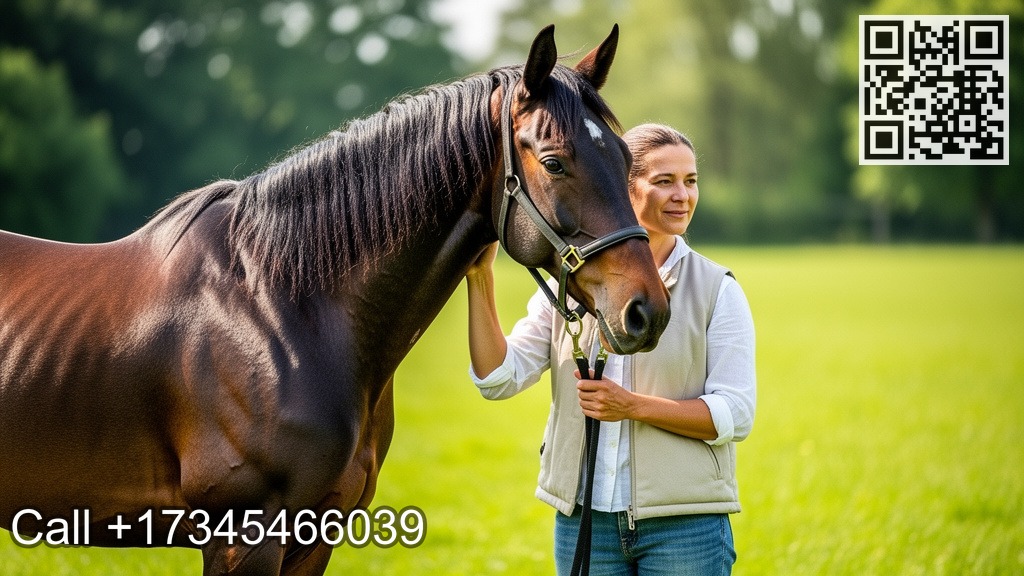
A teenager that screws through guidelines in course might come to be the most effective leader on a ground driving exercise. She notifications the equine's shoulders beginning to drift and corrects prior to I state a word. We name the win: That was rate with recognition. Store that feeling.
Mounted video games use this as well. Barrel weaving or pole bending at a stroll demands continuous micro decisions. We coach eyes to the following target, not the one under your nose. The body follows eyes. Several ADHD riders prosper on that particular unbroken chain of little, significant options. They leave the field with cheeks flushed and a straightforward sentence, I can feel my thinking.
Coaching that values the horse
Equine-assisted mentoring borrows devices from leadership advancement due to the fact that steeds will not adhere to untidy interaction. Clients learn to set a clear objective, pick a course, and devote. Half asks from half bodies generate half actions. It is a fair system.
In team building with equines, the very same concepts range. I have actually enjoyed corporate groups stand in a circle around a mare, everyone attempting to lead at once. The mare plants her feet in the dust and blinks. We stop briefly and assign roles, one lead, one assistance, one viewer. The mare sighs and steps off like it was her idea. ADHD staff member often succeed below, detecting patterns and invigorating the team when the plan stalls. The equine's nonverbal fact telling keeps the energy from tipping into chaos.
When stress and anxiety turns up, we use the very same regard. Anxiety support with equines is not concerning requiring calm. It has to do with carbon monoxide managing with an animal who demands present tense sincerity. If a customer's hands tremble, we name it and origin feet to ground. We take a breath till the steed's eyelids soften. Then we take one action, not twenty. Development that holds beats proceed that impresses after that shatters.
Safety, permission, and fit
Every equine program, therapeutic or otherwise, trips on safety and permission. Steeds get a say. Customers obtain a say. If a horse pins his ears throughout brushing, we adjust stress or placement. If a client balks at installing, we park the saddle and function a liberty circle until both bodies clear up. Stating no in the barn is not failing. It is technique for the remainder of life.
Not every steed suits every customer. Some horses endure fidgeting, others locate it worrying. I keep a little herd with different characters so I can match a steady, reduced react mare with a high energy kid and a more responsive gelding with a teenager that takes advantage of delicate feedback. We switch sets as skills grow.
Edge instances issue. Serious hatreds dander or hay call for preparation, sometimes with a concealed session or outside brushing only. A background of injury around pets calls for slower pacing and more control offered to the client. For customers with autism who prefer clear, constant regimens, I maintain one obstacle layout consistent for weeks prior to presenting a new variable.
When riding assists, and when it does not
Mounted work grabs focus, however it is not constantly the best tool. If a customer's postural control is still establishing, a 15 minute experience can drain pipes focus for the remainder of the hour. In those situations, we build core and balance on the ground initially. When we ride, we keep it short and upright a success, not a wobble. On the other hand, I have customers for whom the saddle is the only place their brain silences. They arrive topsy-turvy, accumulate, and discover a breathing pattern on the 2nd lap. We comply with that thread.
One straightforward boundary: horses are not a one dimension response for severe behavior situations. If a client is in a phase of frequent aggressiveness or property damage, we often stop briefly equine job or structure it with additional experts on website. The barn must stay safe for everyone.
What development appears like in actual numbers
Families wish to know exactly how to measure success without transforming the barn into school. We track a couple of simple metrics due to the fact that numbers defend against rose colored stories. For early sessions, I tape mins on job before a redirection. A normal array relocations from 2 to 5 minutes in the initial month, toward 8 to 12 mins by month three. I additionally note the number of changes completed without triggers, such as moving from brushing to leading or from leading to placing. We celebrate when a customer goes from absolutely no unprompted changes to one or two in a session.
Skill markers matter as well. Leading a steed at the shoulder with a slack rope for a 50 foot straight line is a high level attention task. So is riding a square of 4 cones with clear edges at the walk. These are not mystical goals. They transfer. A straight line lead seems like walking to class without wandering. A square of cones feels like finishing four steps of an early morning regimen, each with a beginning and an end.
Working across disciplines
When equine-assisted solutions belong to a more comprehensive strategy, the gains enhance. Occupational therapists can send out target sensory diet regimens that we integrate with grooming pressure and installed activities. Institution teams can share IEP objectives around sustained interest or self campaigning for. We report back in simple language, such as, Client used the body check script separately twice today prior to asking the horse to halt. If a mental health provider is involved, sessions can consist of co regulation exercises that tie directly to therapy homework.
This cross talk keeps the barn from coming to be a silo. It also assists moms and dads see patterns. The breath that quits a steed ends up being the breath that prevents a brother or sister debate from escalating.
A short, barn all set checklist for ADHD riders
- Hydrate prior to arrival, and pack a small snack that does not leave sticky hands.
- Wear layers that can shed warmth or add heat without difficulty, plus boots with a shut toe and a little heel.
- Arrive 5 mins early to settle, utilize the toilet, and testimonial goals.
- Bring a familiar script for regulation, such as a 3 action body check, and exercise it in the car.
- Plan a post session buffer of ten to fifteen minutes prior to the next demand to lock in gains.
Games that instruct without nagging
Most discovering in the arena hides inside play. A favorite for impulse control is Traffic signal, Green Light at the walk. We include yellow, which indicates prepare, not yet. The motorcyclist discovers to take a breath down, reduce stride, and then stop on red. Groundwork variations make use of a cone as the traffic light, and the equine views the exact same signals the customer is finding out to send. One more reputable game is the mail box course. We set two barrels like mail boxes on contrary sides of the arena. The motorcyclist accumulates a letter at one, brings it thoroughly, and provides it to the various other. Guiding, pacing, and preparing flower without a lecture.
When interest tears, we tighten the target. Rather than a six cone serpentine, we do two best turns with clear eyes and peaceful hands. Customers learn to close the loophole on tiny jobs, which commonly anticipates better follow through at home.
The softer skills that last
Parents frequently sign up for emphasis and leave discussing self-confidence and empathy. Horses teach authorization constantly. You can not compel a thousand pound partner without terrifying them and yourself. You discover to ask. You discover to wait. You discover that your inside weather condition modifications your outside results, and you get sincere concerning handling that weather.
For customers that have actually heard a lifetime of no, the barn hands out yes in constant doses. Yes, you can lead that horse across water with the ideal setup. Yes, your breath transformed his feet. Yes, your nervous system can downshift on hint. These are not abstract affirmations. They are observed facts.
For grownups who never discovered their seat
Plenty of grownups with ADHD arrive years right into jobs, still feeling like they are obtaining another person's exec function. Equine-facilitated mentoring gives them a location to practice authority that is not fragile. A typical workout pairs a client with an equine free in a rounded pen. The task is to invite forward, direct a couple of switches, and after that welcome the steed to connect. There is no rope to compel compliance. The horse decides whether your request is clear, reasonable, and regular. Specialists who reside in quick talk and big ideas locate this bracing. The horse does not appreciate your lift pitch. It cares if your feet and eyes agree.
Many adults report that after 6 to 8 sessions, they take pieces of the arena right into the office. They rise before online meetings to open chest and soften jaw. They envision a square of cones prior to a challenging discussion, one edge for listening and one for stating a demand. These little acts are mobile wins.
A functional path to your very first session
If you are taking into consideration equine-assisted mentoring or therapeutic horsemanship, begin neighborhood and ask clear questions. Qualifications vary. Seek programs that talk clearly concerning safety and security, equine welfare, and extent of method. Ask just how they customize sessions for ADHD. Listen for specifics. An excellent response consists of framework, option factors, and concrete abilities, not just unclear talk about connection.
The initially session ought to feel like a welcome, not a test. You should leave with a sense of what success might appear like over 3 months, and what home practices will make sessions extra reliable. If the barn can not name those, keep looking.
A simple way to structure a 12 week arc
- Weeks 1 to 2: Construct trust. Brushing rituals, short leads, and a single mounted objective like stop and walk with breath.
- Weeks 3 to 4: Include sequencing. Easy challenge programs on the ground, 2 direction modifications mounted.
- Weeks 5 to 8: Increase intricacy with choice. Customer layouts part of the pattern, decides when to ride versus ground work.
- Weeks 9 to 10: Generalize abilities. Try a new horse or a new field edge, bring body check skills right into mild distractions.
- Weeks 11 to 12: Consolidate. Review standard jobs and action gains, set a prepare for the following quarter with client input.
By the end of a quarter, the best gains are normally the silent ones. Changes that used to hinder the session come to be routine. The horse fulfills a constant companion, not a storm. In the house, research battles might still turn up, yet they have a tendency to reduce, and the family has shared language to navigate them.
Where body and brain meet, equines hold the line
If you strip away the buzzwords around equine-facilitated wellness, you are entrusted to a barn, a couple of thoughtful humans, and a herd of sensitive, truthful animals. For people with ADHD, that arrangement offers the mind a channel and the body a job. It is rare to discover a task that trains emphasis, regulation, and agency in the exact same hour without abuse or screens. Horses do that due to the fact that they demand quality and reward it instantly.
The kid who backed his pony three actions now shuts his eyes prior to tests and breathes the same way he took in the arena. He states he can feel his feet. That is the win that lasts. Whether you call it equine-assisted tasks, equine-assisted mentoring, or therapeutic horsemanship, the job coincides. We assist people learn exactly how to turn up, ask cleanly, pay attention with their whole body, and commemorate the tiny, repeatable triumphes that make the remainder of life easier. Somatic recovery with equines is not a motto. It is the everyday, practical craft of interest, exercised one action at a time, with a partner who will certainly not lie to you.
Happy Hooves Wellness
9177 Gross Rd, Dexter, MI 48130
+17345466039
https://www.hhooves.com/