Mild Toughness: Equine-Assisted Activities for Stress And Anxiety Alleviation
Horses do not speak our language, yet they review tension and intention with an accuracy that humbles lots of people on day one. That level of sensitivity is specifically why equine-assisted tasks can loosen up anxiousness's knots. The equine's large presence welcomes solidity, not force. The barn asks for slower breathing, softer eyes, more clear boundaries. Succeeded, this job feels much less like treatment and more like finding out to move in rhythm with an eager, perceptive partner.
I have seen company leaders soften their shoulders as a mare leaned her nose right into their open palm, and I have actually seen a young adult with racing ideas match a gelding's breath till both exhaled at the same time. The steed does not fix anyone. It provides a clear mirror, firm feedback, and a relaxing rate. That mix is effective for stress and anxiety relief.
What makes a steed an excellent educator for distressed minds
A distressed nervous system yearns for signs of safety and predictability. Steeds obey reviewing subtleties in body movement, breath, and muscle tone, which suggests they respond promptly to shifts we often miss out on in ourselves. When you tighten your jaw, an equine might pause. When you breathe much more slowly, the equine frequently lowers its head, blinks, and licks, signs of settling. This domino effect assists clients observe what their bodies broadcast.
There is also something regarding the equine's size that rectifies interest. Worries that really felt huge in a kitchen really feel different close to a 1,000 extra pound pet who picks to coordinate when you obtain clear and calm. The requirement to be existing cuts through rumination. You do not tie your mind to the past while you lead a delicate animal via an entrance. You pay attention, or the equine will inform you to.
From a sensory viewpoint, the barn setting has its own medicine. The cadence of unguis, the heat under a wintertime layer, the sluggish guide of a lead line, also the odor of hay and leather, all of it can aid a stuck nervous system discover a brand-new network. For many individuals, this is somatic healing with equines in one of the most actual method, finding out via the body instead of through talk alone.
What a session really looks like
Equine-assisted services extend a range. Some are mounted, some continue to be fully on the ground. For anxiety alleviation, I often start unmounted. The work begins with alignment in the barn aisle or paddock. We speak safety and authorization. We reviewed the equine's signals, then we practice our own.
A common 60 to 90 min session might consist of meeting an equine at liberty in a rounded pen. The customer goes into with a straightforward intent, for example, to invite connection without chasing it. The equine reacts to stance and rate. If a client rushes, the steed could turn away. If the customer softens their knees and breath, the steed usually tips closer. Later we may add a halter and line, navigating a few barriers, walking direct and arcs, stopping with each other, beginning together. It appears basic till the customer realizes their mind drifted and the steed strolled off. That gentle drift is the finding out moment.
Mounted job fits, particularly within therapeutic horsemanship programs that concentrate on biker abilities and body control. The rhythm of the stroll can work out an over active mind, comparable to bilateral stimulation located in other modalities. For some clients, grooming comes to be the support. 5 mins of cleaning until the layer shines, then noticing their hands, shoulders, and jaw really feel various. These tiny supports include up.
The peaceful scientific research below the felt sense
I prevent overselling research study, since the area is still young. What we do have are several small studies and program examinations that report significant decreases in self-reported anxiety and improved state of mind after short collection of equine-assisted activities. Some job has measured adjustments in heart price variability and cortisol in sessions that emphasize breath and paced communication. The example dimensions are modest, however the trend follows what a lot of us see in method: individuals resolve, and they bring that clearing up right into day-to-day live. As constantly, private outcomes vary. The equine is a driver, not a magic wand.
Mechanistically, a number of components most likely contribute. Initially, experiential learning with steeds recruits interoception, the ability to feeling internal signals like breath and heart beat. Nervous individuals frequently misunderstand or avoid those signals. The steed makes interoception much less abstract. Second, the dyadic policy that takes place between species can echo co-regulation we look for in human relationships, but with less story and judgment affixed. Third, the jobs require present-moment interest. Going through poles without bumping them is not cognitive-behavioral treatment, yet it has a similar effect: it disrupts unhelpful patterns and practices brand-new ones.
Anxiety takes different shapes, so the job moves too
Panic is not the like prevalent fear. Social anxiety is not the same as trauma-related hypervigilance. The barn requires to satisfy each of these with nuance.
Someone susceptible to panic may gain from predictable series with clear leaves. We could begin right outside the pasture fence, exercising breath pacing while watching the herd, after that take 5 steps in and stop. The individual controls the dose. The goal is not desensitization in any way prices, it is option and capacity.
With social anxiety, equine-assisted coaching frequently highlights borders and harmony. If a customer states they feel confident while their feet shuffle and their shoulders cave, the horse reads the shoulders, not words. Learning to straighten words, tone, and pose in front of an equine translates to hard conversations with coworkers or family. That is where some programs integrate team structure with equines for teams, because the horse subjects unclear interaction patterns without reproaching anyone.
Hypervigilance asks for a slower lane. We may spend a complete session outside the arena, exercising orienting to the atmosphere and deciphering the distinction in between horse-alert and horse-relaxed. Watching ears flick to a remote noise, then seeing the horse launch the stress, reveals that vigilance can cycle, it does not have to stay on.
Practical security and moral care
If you have actually never ever been to a barn-based program, below is what liable technique appears like. The center will conduct an extensive intake, including health and wellness background, existing medicines, any orthopedic concerns, and allergic reaction questions. A certified specialist leads or co-leads sessions. Equines are thoroughly picked for personality and viability, and their workload stays within gentle limits. Helmets are basic for placed work and are a sound choice for many ground activities. The setting is clean enough to minimize trip threats, yet still an actual barn, not a disinfected studio.
Ethical treatment also means steed well-being is never an afterthought. The horses obtain day of rests, herd time, proper hoof and vet care, and clear signals when they can claim no. A program that presses a weary or resistant horse to carry out is not offering the equine or the customer. Customers sense that harshness, even if they can not call it.
There are legit contraindications. People with serious allergies to hay or dander might battle, though some barns minimize with outside fields and cautious pet grooming. Those with unrestrained seizures, current concussions, or intense orthopedic injuries could require to postpone mounted work or adhere to monitoring and mild ground connection. A background of considerable aggression towards animals is a warning. None of this is a level no, yet it suggests thoughtful preparation with clinical providers.
How anxiety softens via certain skills
Anxiety relief in equine-facilitated health originates from tangible abilities constructed session by session. Grounding is the initial. Before touching a halter, a client might situate their feet, find 3 audios in the field, and extend their breathe out to a rhythm that the steed can really feel via the lead. Quality is the second. Clear asks and clear launches. If you squeeze the lead, after that never ever soften, the horse quits trusting your signals. That maps to daily life, where uncertain restrictions feed anxiety.
Boundaries adhere to carefully. Equines prefer leaders who correspond, not prideful. The individual who yanks and micromanages evokes brace and complication. The person who withdraws sends out blended messages. The pleasant spot resides in firm, fair requests and prompt appreciation for shot, which people find easier to comprehend with a steed first.
Finally, repair matters. When you over-ask and the steed tosses its head, you ask forgiveness in body language: soften your elbow, reset your stance, attempt once again with half the pressure. Discovering that errors can be repaired without spiraling into self-criticism is gold for distressed minds.
A short story from the round pen
M., a thoughtful engineer in her thirties, carried anxiousness like a knapsack full of blocks. In her 2nd session, she said every decision at work felt like a catch with a right and incorrect response. We positioned three cones in the pen and asked her to lead a sorrel gelding, Tucker, through any kind of course she picked. She froze at the initial cone, scanning for the proper option. Tucker quit beside her, ears flicking, then wandered to sniff a cone.
I asked M. To pick a direction that really felt 60 percent right and to possess it for ten steps. She squared her shoulders towards the center cone, exhaled, and tipped. Tucker complied with. At the turn, she hesitated. Tucker waited too. She noticed, took a breath, and stated, Fifty percent the stress and anxiety is my pause, not the choice. They finished the loophole. That ten actions of incomplete leadership ended up being a practical mantra for her work week.
Where mentoring fits, and where treatment is needed
Equine-facilitated mentoring concentrates on objectives like management presence, communication style, and nerves self-management linked to efficiency in job or life. It is not a substitute for trauma treatment, though numerous instructors are medically notified. For some customers, training is the ideal entrance, particularly if they bristle at the word treatment. Language issues. Stress and anxiety support with horses can occur within either lane, gave that range is clear.
If panic attacks or injury symptoms are central, search for a clinician learnt modalities like EMDR, somatic experiencing, or trauma-focused CBT that integrates equine-assisted tasks. A specialist can hold professional threat, coordinate with a prescriber if needed, and track sign change. A train can test patterns and develop abilities in a way that complements therapy.
Children, teenagers, and neurodiversity
Equine programs can provide a sensible lifeline for families navigating sensory sensitivities or focus difficulties. For ADHD equine learning assistance, installed and unmounted tasks develop impulse control, sequencing, and working memory. Ask the equine to walk on, then count 8 strides prior to stopping at a cone, then applaud, after that reset. The body reaches practice timing in a rewarding loop.
For an autism equine discovering program, the nonverbal interaction between horse and human can decrease the pressure numerous autistic clients really feel in talk-heavy setups. The steed does not require eye call. Interaction can be side-by-side, brushing in sync, or walking on parallel tracks. Alternate treatment for sensory challenges frequently starts with desensitization to structures and appears in the barn, matched to the customer's resistance. A child who covers ears at the clink of a brace can still prosper on the quieter rhythm of a lead line walk.
Parents appreciate concrete numbers. In my technique, eight to twelve once a week sessions offer a strong arc for ability structure. You will certainly see small changes early, like fewer debates venturing out the door on barn days, after that broader adjustments by week 6 or seven, such as a youngster asking for a break instead of melting down. These are not assured timelines, but they are common when attendance is consistent and the horse-partner match is strong.
What occurs inside a well-run group
Groups can be effective. A trio of adults practicing boundary-setting with the same steed discover as much from each other's efforts as from their very own. If the gelding walks into one participant's room repeatedly, the group problem-solves and experiments. Team building with horses ranges this idea for organizations. The horse makes the invisible visible. Does the team talk over each various other? The horse looks overwhelmed and pauses. Does the group agree on a plan, then serve as one body? The equine relocates voluntarily with the maze.
Groups need cautious assistance to keep psychological security undamaged. No person is put on the spot with an actions interpretation they did not consent to explore. The steed is not a lie detector. The facilitator frameworks actions as details, not diagnosis.
A simple series to try in the house, after that at the barn
If you are considering this work, it helps to practice a brief regular you can bring right into sessions. This is not a remedy, however it develops the muscle memory that steeds have a tendency to follow.
- Stand with feet hip-width and unlock your knees. Exhale longer than you inhale, four matters in, 6 suspends, three times.
- Choose one object to orient to carefully, such as a leaf or a fencing blog post. Notice shade, form, and edges for 10 seconds.
- Soften your jaw and allow your tongue hinge on the floor of your mouth. Roll your shoulders once.
- Set a small objective, like take five tranquil steps. State it silently to yourself.
- Walk your five steps with your breath. If you lose track, quit and duplicate the sequence.
Clients commonly report that this five-part check-in becomes their pocket device for grocery store lines and tense conferences. At the barn, good sense the shift instantly. It is a straightforward access point to equine-facilitated health, also prior to you touch a lead line.
How to choose a program you can trust
Not all offerings are equivalent, and titles vary. Some say equine-assisted mentoring, others make use of equine-assisted tasks, and medical programs sit under the umbrella of equine-assisted solutions. Look for fit greater than tag. Credentials matter, yet relationship and clarity of extent matter extra. When you speak to a company, ask clear questions.
- Who leads sessions, and what are their qualifications in both equine handling and human support?
- What does a first session consist of, and exactly how do you gauge readiness for mounted vs. Ground work?
- How do you select and care for your equines, and how do you check their stress?
- What end results do clients commonly see by session 4 or eight, and how do you determine progress?
- How do you manage security, weather condition modifications, and customer consent in the moment?
You do not need to understand horse jargon. You do require to feel your concerns are heard and responded to plainly. An excellent supplier will certainly welcome these questions.
Equipment, apparel, and small information that make it easier
Come dressed to move. Closed-toe shoes with grip are non-negotiable. In summer season, a teemed hat, light long sleeves, and sunscreen assistance. In cold weather, gloves that enable finger dexterity maintain you comfortable, and layers matter since your body temperature level will change when anxiety clears up. Precious jewelry that swings or dangles can surprise sensitive steeds. Bring water. If you are scent-sensitive, ask the barn to avoid solid fly sprays during your session, or fulfill in a breezy arena.
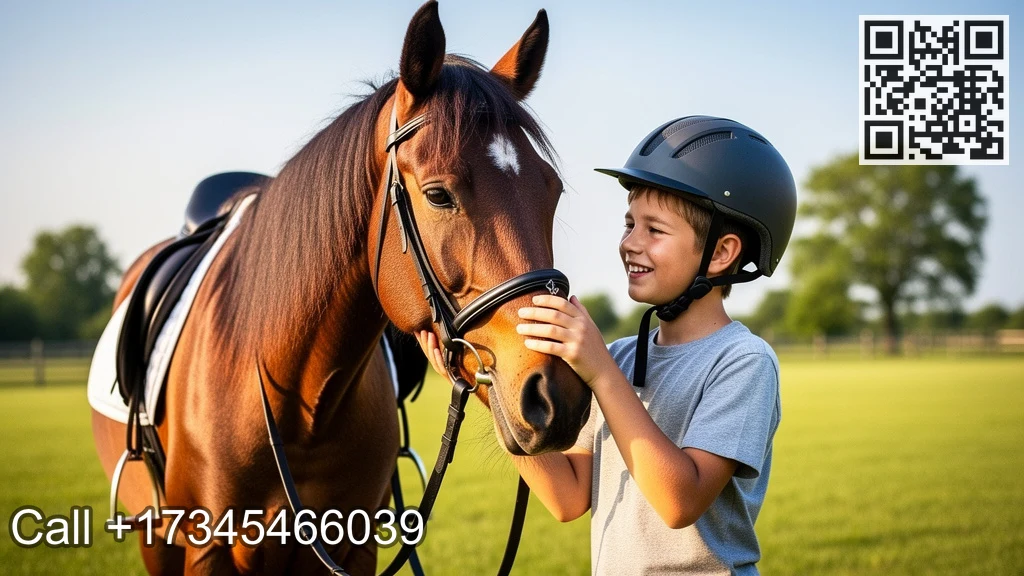
Most programs offer headgears for installed work, however you can bring your very own if it fulfills current security criteria and fits appropriately. For unmounted sessions, several clients still select a headgear to really feel at ease. Ask about their plan. Little comforts count. A client when brought a flat rock that fit her hand. She scrubed it prior to invitations to link, like a starter gun for her nerve system. The equine discovered to read that cue too.
What the very first four weeks frequently look like
Week one is orientation and safety. You could brush and find out to halter. If based sufficient, you will certainly stroll with a lead and practice stopping with each other. The goal is not instant bond, it is discovering the barn's standard rhythms.
Week two presents targeted abilities. You might exercise a figure with breath pacing or an obstacle like walking in between two poles. The facilitator will assist you reduce pressure to the minimum effective dosage, so the equine states of course without bracing.
Week 3 usually deepens the discussion. You will certainly discover just how small adjustments in muscle tone effect the equine, and your facilitator will certainly connect that to a stress and anxiety pattern in your home or job. Repair services end up being smoother. You will capture on your own over-asking and change within seconds.
Week 4 combines and moves. You will set an objective for the session, fulfill it, and translate the skill to a real scenario. As an example, practicing a clear ask and tidy launch, after that making use of that script to request a due date expansion from your manager.
This arc is flexible. Some individuals require more time to simply breathe with the herd. Others sprint through the fundamentals and gain from complicated patterns that test their tendency to over-control. Steeds meet both kinds where they are.
When worry of steeds belongs to the anxiousness story
Plenty of clients arrive uneasy about equines. That is not a bargain breaker. Actually, it can be an ally. A big, sensitive pet asks you to manage in a manner no app can mimic. We never require get in touch with. Several start outside the fencing. The very first triumph could be recognizing interest under worry, after that stepping closer for one min. Some remain with observation the whole initial session. That perseverance settles. I have actually seen a client that could not cross the arena limit on week one, walking side by side with a tranquil mare by week six, proud of every inch gained without coercion.
Trade-offs and restrictions worth naming
Horses do not fit every person's life. Access can be limited in urban locations, and sessions cost more than common talk treatment due to the fact that facilities and equine care are pricey. Climate conflicts. https://anotepad.com/notes/s33refrq Mud happens. For some customers, the barn's changability belongs to the medication. For others, it enhances tension. The job is additionally physically engaging. If you have chronic discomfort or fatigue, you will certainly require a program that adapts rate, setting, and duration.
Another constraint is assumption. If a client gets here wishing for prompt, mystical link, they might miss out on the sensible learning right in front of them. The equine is not an expert. It is a living being with choices and needs. The mutuality is the point. Stress and anxiety recedes as you develop reputable two-way interaction, not as you go after a motion picture moment.
Integrating gains into everyday life
Equine work strikes harder when it does not live only at the barn. After a session where you really felt clear and tranquil, make a note of three physical hints that told you so, as an example, shoulders heavy, breath easy, eyes soft. Tape it where you will see it. Prior to a meeting or hard conversation, practice the five-part sequence from earlier. Switch the lead line for a coffee mug and stroll your five steps down the hall.
Bring your individuals into the loophole. If you remain in equine-facilitated mentoring for leadership skills, inform a trusted teammate the one behavior you are practicing this week, such as making one clear ask and one clear recognition in every conference. If you remain in therapy, ask your clinician to coordinate with your barn facilitator so language and objectives align. Anxiety prospers alone. Shared language dissolves it.
A closing image from the barn
A teenage young boy stood with a silent mare named Willow. He had not slept well in months. His mother said mornings were battles. We started with breath pacing from outside the paddock, after that stepped in for 3 mins of grooming. He counted 10 strokes, after that stopped. Willow sighed and cocked a hoof. He grinned, the fast kind only his mom normally sees. When he left, his shoulders no more reached for his ears. The next week, his mommy stated the early morning was still awkward, however he caught himself halfway with a spiral, did 10 fictional strokes with an unnoticeable brush, and reset. That is the form of modification right here. Tiny, physical, repeatable. Gentle strength.
Whether you seek equine-assisted tasks for private anxiety assistance, equine-facilitated training to develop leadership under pressure, or a structured restorative horsemanship track within equine-assisted services, the heart of the job coincides. You learn to listen to your body, to ask plainly, to respect a companion, and to fix with grace. Steeds accept the reality of what you bring and relocate with you when you prepare. For distressed minds and bodies, that dependable mirror deserves its weight in hay.
Happy Hooves Wellness
9177 Gross Rd, Dexter, MI 48130
+17345466039
https://www.hhooves.com/